COSMETICS
Nail polish remover and other beauty products.


Acetone (CAS 67-64-1), also called propan-2-one or dimethyl ketone, is a fast-evaporating industrial solvent. GreenChem Industries supplies acetone all grades in bulk for manufacturers that need consistent solvency, cleaning, and process performance.
Confirm assay, water content, and grade against your specification before ordering. Request a quote with volume, destination, and required documentation.
Nail polish remover and other beauty products.

Used in the production of plastics and fibers.

Manufacturing of various car components.

Solvent in various drug formulations.
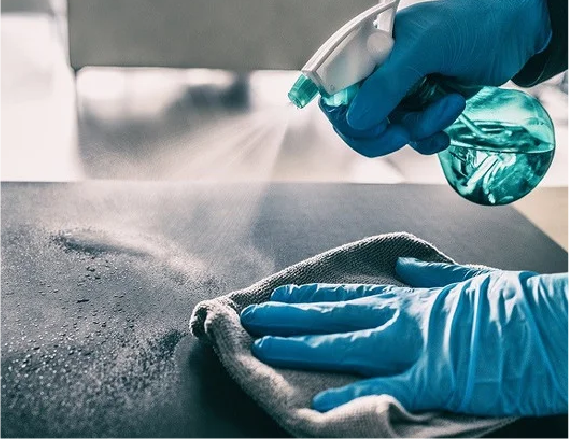
Originally used in laboratories for cleaning and degreasing, Acetone's journey from a simple lab essential to a multifaceted industrial staple is nothing short of remarkable.
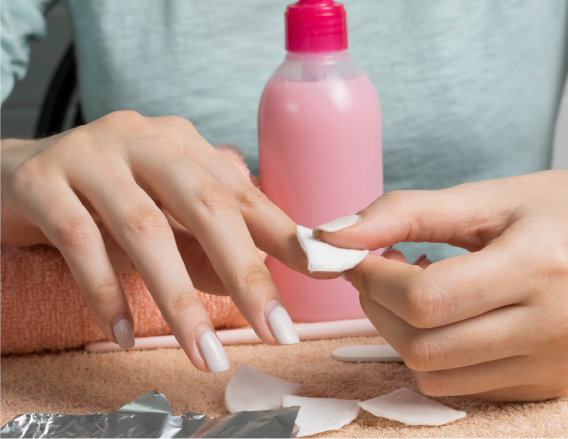
In the beauty industry, for example, it is perhaps best known for its role in nail polish removers, where its solvent power makes it highly effective at quickly dissolving nail polish, providing a clean and efficient solution for cosmetic enthusiasts and professionals alike.

Beyond cosmetics, Acetone is indispensable in the production of plastics and synthetic fibers, where it is used as a solvent to create high-quality, durable materials.
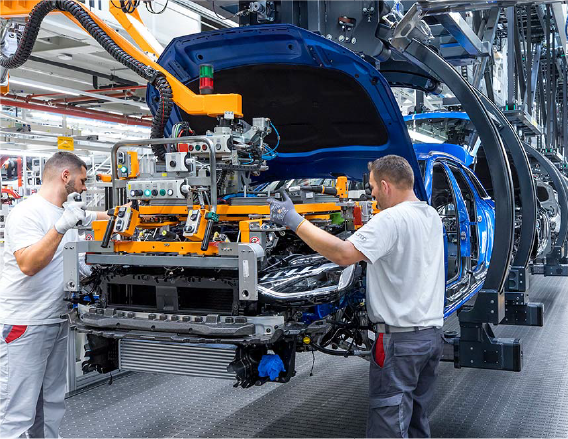
Its role in the automotive industry is also essential, where it helps in the manufacturing of car parts and components, ensuring that everything from your car's dashboard to its lighting systems is crafted to perfection.
Across these industries, its ability to dissolve, clean, and prepare surfaces supports processes that require precision and consistency at every stage of production.
From routine cleaning to large-scale manufacturing processes, Acetone supports operations that depend on consistent results and efficient performance. Its broad compatibility across applications allows businesses to maintain steady output while adapting to changing production demands across multiple industries.
Its fast evaporation profile and strong solvent action help reduce residue and support cleaner transitions between production stages, contributing to smoother workflows and more controlled operating conditions.